
Quick and Painless Way to Check for Stomach and Esophageal Issues.
If you are looking for the best doctor for endoscopy in Max Hospital Dwarka, Dr. Lovkesh Anand is a highly experienced gastroenterologist specializing in advanced diagnostic and therapeutic endoscopy. With over 15 years of expertise, he offers safe, accurate, and patient-focused care for a wide range of gastrointestinal conditions.
Upper Gastrointestinal (UGI) Endoscopy is a minimally invasive procedure used to examine the esophagus, stomach, and the first part of the small intestine (duodenum). Performed using a thin, flexible tube with a light and camera, endoscopy allows doctors to directly view the digestive tract, take tissue samples, and perform treatments during the same session.
At Max Hospital Dwarka, Dr. Lovkesh Anand uses the latest endoscopic technology to ensure accurate diagnosis and effective treatment, making him the best doctor for endoscopy in Max Hospital Dwarka.
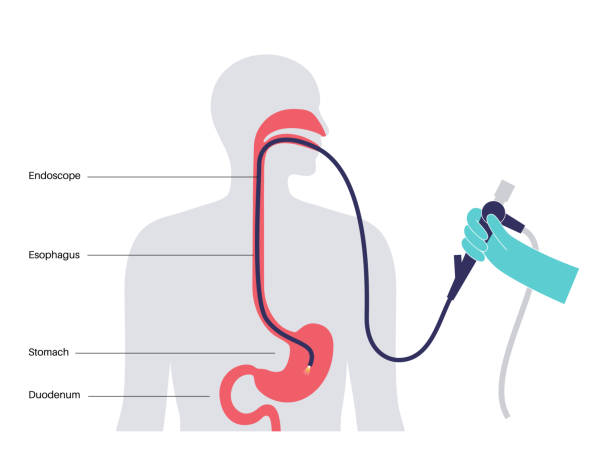
Preparation – Patients are generally asked to avoid eating or drinking for several hours before the procedure. In some situations, doctors may also recommend stopping certain medications temporarily.
Sedation – A light sedative is provided to help patients feel calm and comfortable during the procedure.
Endoscope insertion – The flexible endoscope is carefully guided through the mouth, down the esophagus, into the stomach, and finally into the duodenum (the upper part of the small intestine).
Examination and biopsy – The endoscope’s camera sends real-time images to a monitor, enabling the doctor to closely examine the digestive tract. If necessary, small tissue samples (biopsies) may be taken for laboratory analysis.
Completion and removal – After the examination is complete, the endoscope is gently removed, and patients are observed until the sedative effects wear off.
Acid Reflux and GERD – For people with long-term acid reflux, an upper GI endoscopy is often recommended. It helps spot inflammation, ulcers, or changes in the esophagus from acid damage and checks for complications like narrowing or precancerous changes.
Peptic Ulcers – Endoscopy is the most accurate way to diagnose ulcers in the stomach or duodenum. It also allows doctors to take biopsies to test for H. pylori or stop bleeding with special tools if needed.
Esophagitis and Barrett’s Esophagus – Ongoing acid reflux can damage the esophagus lining, causing irritation (esophagitis). Endoscopy identifies this and also screens for Barrett’s esophagus, where normal cells change and increase the risk of cancer.
Upper GI Bleeding – For patients who vomit blood or have black, tarry stools, endoscopy quickly finds the source (such as ulcers or varices). In many cases, bleeding can be treated right away during the procedure.
Swallowing Difficulties (Dysphagia) – If food feels stuck or swallowing is painful, endoscopy helps detect causes like narrowing, tumors, or movement problems. Narrowing can sometimes be widened during the test.
Stomach and Esophageal Tumors – Any abnormal growths or suspicious areas seen during endoscopy can be biopsied immediately. This enables early diagnosis of cancers or benign tumors, helping doctors plan treatment on time.
Mild throat irritation or soreness – The endoscope may cause temporary throat discomfort, hoarseness, or a scratchy feeling, which usually settles within 24–48 hours. Warm fluids or lozenges often help.
Bloating or gas – During the test, air is gently introduced into the stomach to expand it for better visibility. This may cause a feeling of fullness, gas, or mild cramping that typically passes within a few hours.
Temporary drowsiness from sedation – Since mild sedatives are given, patients may feel sleepy, dizzy, or less alert for the rest of the day. It’s advised not to drive, work, or make important decisions until the sedation wears off.
Nausea or mild discomfort – Some patients may feel light nausea or uneasiness for a short time after the test, but it usually improves quickly.
Bleeding – If biopsies are taken or a polyp is removed, a small amount of bleeding may occur. It is usually minor but, in rare cases, may require additional treatment.
Perforation (tear in the lining) – Very rarely, a small tear may occur in the esophagus, stomach, or duodenum. This is a serious complication that may need urgent medical or surgical care.
Adverse reaction to sedation – Though uncommon, sedatives can sometimes cause low blood pressure, breathing problems, or allergic reactions, which is why monitoring is done throughout the procedure.
Infection (extremely rare) – While endoscopy is very safe, there is a very small chance of infection, especially if therapeutic procedures are performed during the test.