
From diagnosis to recovery — complete care for gallstones and gallbladder infections.
Gallbladder disease refers to a group of conditions that affect the gallbladder—a small, pear-shaped organ beneath the liver that stores bile. These conditions can include gallstones, inflammation (cholecystitis), bile duct blockage, and even gallbladder cancer. Left untreated, gallbladder disease can lead to serious complications.
Gallstones (Cholelithiasis) – These are hardened deposits made of cholesterol, bile salts, or pigments that form in the gallbladder. Small stones often cause no symptoms, but larger ones can block bile flow, leading to sudden intense pain (gallbladder attack), nausea, or vomiting.
Cholecystitis – This refers to inflammation of the gallbladder, usually caused by a gallstone stuck in the bile duct. It results in sharp pain in the upper right side of the abdomen, fever, and tenderness. If left untreated, it can lead to infection or even gallbladder rupture.
Choledocholithiasis – This occurs when gallstones move into the common bile duct, blocking the flow of bile and pancreatic juices. It may cause jaundice (yellowing of the skin and eyes), dark urine, pale stools, and in some cases, a serious infection called cholangitis.
Gallbladder Polyps – These are small growths that stick out from the inner wall of the gallbladder. Most are harmless, but when they grow larger than 1 cm, doctors monitor them closely because of the possible risk of cancer.
Gallbladder Cancer – A rare but aggressive cancer. Since its early symptoms often look like gallstone problems (pain, nausea, indigestion), it is usually detected late after spreading to nearby organs. Early diagnosis greatly increases the chance of successful treatment.
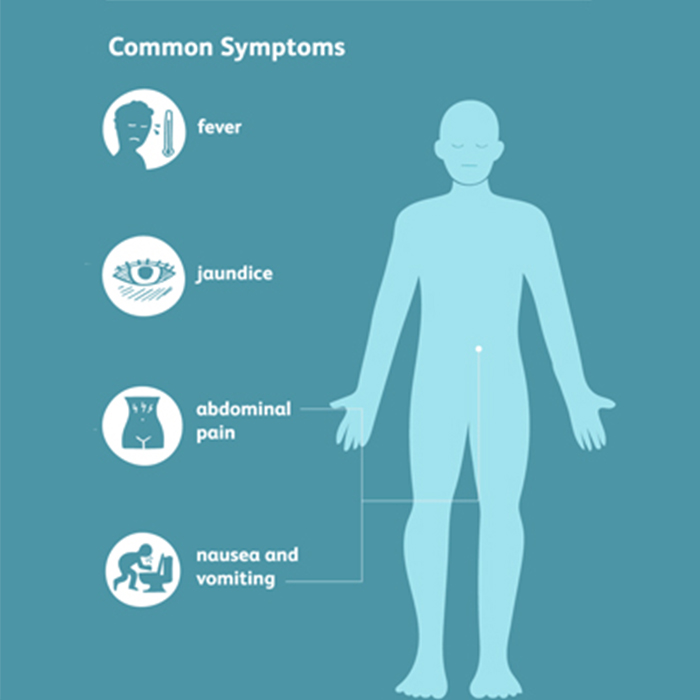
Sudden and Intense Pain in the Upper Right Abdomen – The most common symptom, often beginning right after eating fatty meals, caused by blocked bile flow.
Pain Radiating to the Back or Right Shoulder – The discomfort may extend beyond the abdomen, especially during gallstone attacks.
Nausea or Vomiting After Meals – Symptoms often worsen after eating, particularly greasy or heavy foods.
Bloating and Indigestion – Patients may feel overly full, gassy, or uncomfortable even after small meals.
Fever and Chills (with Infection) – A warning sign of acute cholecystitis or bile duct infection, which requires urgent medical attention.
Yellowing of Skin or Eyes (Jaundice) – Develops when gallstones block the bile duct, causing bile to build up in the blood.
Loss of Appetite – Many patients avoid eating because meals can trigger or worsen their symptoms.
Dark Urine or Pale Stools – Caused by bile flow blockage, often seen along with jaundice.
Medications are usually the first step in managing gallbladder-related problems, especially when symptoms are mild or surgery is not immediately needed.
Pain relievers help reduce discomfort during gallbladder attacks.
Antibiotics are prescribed if an infection develops in the gallbladder.
Bile acid pills can be used in rare cases to dissolve very small gallstones, but this method is less common and takes a long time to work.
Cholecystectomy is the surgical removal of the gallbladder and is considered the most effective treatment.
It can be done laparoscopically (small keyhole incisions) or through open surgery (larger incision).
Surgery is especially recommended for patients with recurrent gallstones, chronic inflammation, or complications such as infection or blockage.
Most patients recover quickly after laparoscopic surgery, with minimal discomfort.
These are mainly reserved for patients who cannot undergo surgery due to other health risks.
Dietary changes: Eating smaller, low-fat meals can reduce gallbladder attacks.
Medications under supervision: Some drugs may help manage symptoms and prevent complications, though they may not remove existing gallstones.
When it comes to finding the best doctor for gallbladder disease in Dwarka, patients trust Dr. Lovkesh Anand for his extensive experience and proven results. With over 15 years in gastroenterology and hepatology, he specializes in diagnosing and treating gallstones, gallbladder infections, inflammation, and other related digestive conditions.
Dr. Anand is known for providing the best treatment for gallbladder disease in Dwarka through a combination of advanced diagnostics, minimally invasive procedures, and personalized care plans. Whether your condition can be managed with medication or requires surgical intervention, his focus is always on ensuring faster recovery and long-term relief.
Choosing Dr. Lovkesh Anand means placing your trust in a highly skilled gallbladder specialist who prioritizes accurate diagnosis, effective treatment, and compassionate patient care.