
Relieving Discomfort, Restoring Digestive Health.
Intestinal disease refers to any medical condition that affects the function and structure of the intestines — which include both the small and large intestines. These conditions can range from temporary infections to chronic illnesses that significantly disrupt a person's daily life. Many are inflammatory or autoimmune in nature, while others may stem from infections, diet, or even genetic factors.
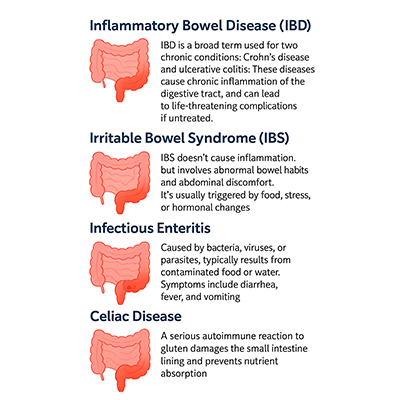
Inflammatory Bowel Disease (IBD) – Includes Crohn’s disease and ulcerative colitis; causes chronic digestive tract inflammation, pain, and diarrhea.
Irritable Bowel Syndrome (IBS) – A functional disorder with abdominal pain, bloating, and irregular bowel habits, often triggered by stress or food.
Infectious Enteritis – Intestinal infection from contaminated food or water; leads to diarrhea, cramps, vomiting, and fever.
Celiac Disease – An autoimmune reaction to gluten that damages the small intestine and prevents proper nutrient absorption.
Colorectal Cancer – Cancer of the colon or rectum, often starting as polyps; early detection makes it highly treatable.
Abdominal Pain – Pain, discomfort, or cramping in the belly, often triggered after meals. It may range from mild to severe and can point to issues like gastritis, ulcers, or IBS.
Bloating and Gas – A feeling of heaviness, pressure, or swelling in the abdomen caused by trapped gas or slow digestion. Often linked to indigestion, food intolerances, or constipation.
Diarrhea – Passing frequent, loose, or watery stools. This may result from infections, food intolerance, IBD, or irritable bowel syndrome.
Constipation – Hard, dry, or infrequent stools that may cause pain or straining. Often due to low fiber intake, dehydration, or digestive disorders.
Unexplained Weight Loss – Losing weight without changes in diet or exercise. This may signal malabsorption, chronic inflammation, or even more serious conditions.
Fatigue – Persistent tiredness or low energy, even after proper rest. Often linked to poor nutrient absorption, chronic inflammation, or blood loss in the digestive tract.
Blood or Mucus in Stool – Bright red blood, dark tarry stools, or mucus may indicate ulcers, hemorrhoids, infections, or inflammatory bowel disease.
Urgent Bowel Movements – A sudden or frequent need to use the bathroom, sometimes with difficulty controlling it. Often associated with infections, IBD, or IBS.
Medications – Depending on the condition, doctors may prescribe anti-inflammatory drugs, immunosuppressants, antibiotics, or antidiarrheal medicines. These help reduce inflammation, control symptoms, and manage infections.
Surgery – In serious cases such as colorectal cancer, intestinal blockages, or severe inflammatory bowel disease (IBD), surgery may be needed to remove the damaged or diseased part of the intestine and restore normal function.
Probiotics and Supplements – Probiotics help maintain a healthy gut microbiome, while supplements such as vitamins or minerals may be recommended to correct deficiencies and improve digestive health.
Nutritional Therapy – A registered dietitian may design a personalized meal plan to reduce symptoms, avoid food triggers, and support long-term digestive health. This is especially important for patients with chronic conditions.
Dr. Lovkesh Anand is a highly respected Gastroenterologist at Max Hospital Dwarka, widely regarded as the best doctor for IBS in Max Hospital Dwarka and the best doctor for IBD in Max Hospital Dwarka. With extensive clinical experience in digestive health, Dr. Anand specializes in the diagnosis and management of Irritable Bowel Syndrome (IBS), Inflammatory Bowel Disease (IBD), and a broad range of intestinal diseases that affect long-term gut function and overall well-being.
Known for his evidence-based treatment protocols and precise diagnostic approach, Dr. Anand routinely manages cases involving chronic abdominal pain, gut motility disorders, bloating, irregular bowel habits, Crohn’s disease, ulcerative colitis, and various other structural and functional intestinal conditions. His expertise in modern gastrointestinal diagnostics — including endoscopy, colonoscopy, and advanced imaging — ensures accurate evaluation and targeted treatment plans tailored to each patient’s unique digestive needs.
Patients value Dr. Anand for his calm communication style, detailed clinical assessment, and commitment to long-term digestive wellness. By combining deep medical knowledge with a patient-first approach, Dr. Lovkesh Anand has earned a reputation as one of the most trusted specialists for IBS, IBD, and intestinal disease treatment in Max Hospital Dwarka, offering comprehensive and compassionate care for even the most complex digestive disorders.