
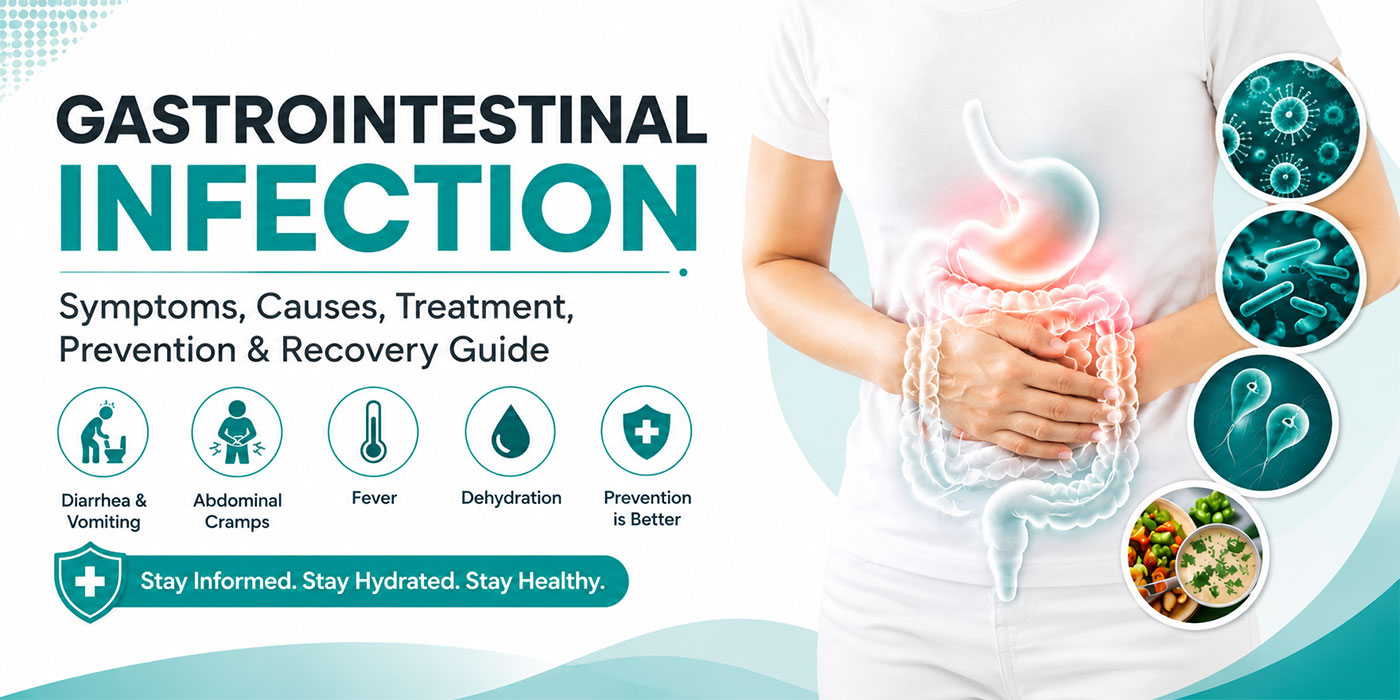
Gastrointestinal Infection: Symptoms, Causes, Treatment, Prevention & Recovery Guide
A gastrointestinal infection is a common digestive condition that affects millions of people worldwide every year. These infections occur when harmful viruses, bacteria, or parasites invade the digestive tract, causing inflammation of the stomach and intestines. Common symptoms include diarrhea, vomiting, abdominal cramps, fever, and dehydration. According to Dr. Lovkesh Anand, Director & Unit Head – Gastroenterology, Hepatology & Endoscopy at Max Super Speciality Hospital, Dwarka, early recognition of gastrointestinal infection symptoms and timely treatment can help prevent complications and ensure a faster recovery.
Understanding the symptoms, causes, treatment, and prevention of gastrointestinal infection is important for maintaining digestive health. While many cases are mild and resolve on their own, some infections can become serious and require specialized medical attention.
What Is a Gastrointestinal Infection?
A gastrointestinal infection (GI infection) is an infection that affects the digestive system, particularly the stomach and intestines. It develops when disease-causing microorganisms enter the body through contaminated food, water, or close contact with an infected person.
GI Infection vs. Gastroenteritis
Although the terms are often used interchangeably, there is a slight difference:
- Gastrointestinal infection refers to the infection caused by viruses, bacteria, or parasites.
- Gastroenteritis refers to the inflammation of the stomach and intestines resulting from that infection.
GI infections are among the most common illnesses worldwide and can affect people of all ages.
Types of Gastrointestinal Infections
1. Viral Gastrointestinal Infections
Viruses are the most common cause of GI infections.
Common examples include:
- Norovirus
- Rotavirus
- Adenovirus
- Astrovirus
These infections spread easily through contaminated food, water, or direct contact with infected individuals.
2. Bacterial Gastrointestinal Infections
Bacterial infections often result from consuming contaminated food or water.
Common bacteria include:
- Salmonella
- Escherichia coli (E. coli)
- Campylobacter
- Shigella
These infections may cause severe diarrhea, fever, and abdominal pain.
3. Parasitic Gastrointestinal Infections
Parasites can infect the digestive tract, especially in areas with poor sanitation.
Examples include:
- Giardia
- Entamoeba histolytica
- Cryptosporidium
Symptoms may persist for weeks if left untreated.
4. Foodborne Infections
Food poisoning is a type of gastrointestinal infection caused by consuming contaminated food.
Common sources include:
- Undercooked meat
- Raw seafood
- Unpasteurized dairy products
- Contaminated fruits and vegetables
Causes of Gastrointestinal Infections
Several factors can lead to a GI infection.
Contaminated Food or Water
Eating food or drinking water contaminated with harmful microorganisms is one of the most common causes.
Poor Hand Hygiene
Failing to wash hands properly after using the restroom or before handling food can spread infection.
Close Contact with Infected People
Many gastrointestinal infections spread through person-to-person contact, especially in households, schools, and healthcare facilities.
Infected Surfaces or Utensils
Viruses and bacteria can survive on surfaces, kitchen tools, and eating utensils, increasing the risk of infection.
Symptoms of Gastrointestinal Infections
Symptoms can vary depending on the cause and severity of the infection.
Common gastrointestinal infection symptoms include:
Diarrhea
Frequent loose or watery stools are the hallmark symptom.
Nausea and Vomiting
The body may attempt to eliminate harmful organisms through vomiting.
Abdominal Pain or Cramps
Inflammation of the digestive tract can cause discomfort and cramping.
Fever
A mild to moderate fever often accompanies infection.
Dehydration
Excessive fluid loss from diarrhea and vomiting can lead to dehydration.
Signs of dehydration include:
- Dry mouth
- Dizziness
- Fatigue
- Dark urine
- Reduced urination
Blood in Stool
Severe bacterial infections may cause bloody diarrhea and require urgent medical evaluation.
Who Is at Higher Risk?
Certain individuals are more vulnerable to gastrointestinal infections and complications.
Children
Young children can become dehydrated quickly.
Older Adults
Aging reduces the body’s ability to fight infections effectively.
People with Weak Immunity
Individuals with chronic illnesses, cancer, or immune disorders face a higher risk of severe infections.
Travelers
Traveling to areas with unsafe food or water increases exposure to infectious organisms.
People with Poor Food or Water Exposure
Limited access to clean drinking water and proper sanitation raises infection risk significantly.
How Is It Diagnosed?
Doctors typically diagnose gastrointestinal infections based on symptoms and medical history.
Medical History and Symptom Review
The doctor may ask about:
- Recent travel
- Food consumption
- Exposure to sick individuals
- Duration of symptoms
Stool Test
A stool sample can identify bacteria, viruses, parasites, or blood.
Blood Test
Blood tests may be recommended to assess infection severity and dehydration.
Additional Tests
For persistent or severe symptoms, further investigations may include:
- Imaging studies
- Colonoscopy
- Specialized laboratory testing
Treatment for Gastrointestinal Infections
Treatment depends on the cause and severity of the infection.
Oral Rehydration and Fluids
Replacing lost fluids and electrolytes is the most important part of treatment.
Recommended fluids include:
- Oral rehydration solutions (ORS)
- Water
- Coconut water
- Clear soups
Rest and Light Diet
Allowing the digestive system to recover is essential.
Recommended foods include:
- Bananas
- Rice
- Applesauce
- Toast
- Plain crackers
Medicines for Fever or Nausea
Doctors may prescribe medications to control symptoms when necessary.
Antibiotics
Antibiotics are only useful for certain bacterial infections and should not be used without medical advice.
Hospital Care
Severe dehydration may require:
- Intravenous (IV) fluids
- Electrolyte replacement
- Close medical monitoring
Doctor-Approved Recovery Checklist
Recovering from a gastrointestinal infection often depends on proper hydration, nutrition, and monitoring symptoms.
| What to Eat and Drink | What to Avoid |
| ✔ Oral Rehydration Solutions (ORS) | ✘ Fried Foods |
| ✔ Plenty of Water | ✘ Spicy Foods |
| ✔ Bananas | ✘ Alcohol |
| ✔ Rice | ✘ Excess Caffeine |
| ✔ Toast | ✘ Sugary Drinks |
| ✔ Applesauce | ✘ Heavy Dairy Products |
| ✔ Plain Boiled Potatoes | |
| ✔ Clear Soups and Broths |
| Signs That Recovery Is Progressing | Seek Urgent Medical Care If You Have |
| ✔ Reduced diarrhea | ✔ Severe dehydration |
| ✔ Improved appetite | ✔ Blood in stool |
| ✔ Better energy levels | ✔ Persistent high fever |
| ✔ Normal urination | ✔ Continuous vomiting |
| ✔ Decreasing abdominal discomfort | ✔ Severe abdominal pain |
| ✔ Symptoms lasting longer than a few days |
When to See a Doctor
Medical evaluation is recommended if you experience:
- Severe dehydration
- High fever
- Persistent vomiting
- Blood in stool
- Severe abdominal pain
- Symptoms lasting more than several days
- Signs of worsening illness
Prompt treatment can prevent complications and speed recovery.
How to Prevent Gastrointestinal Infections
Prevention is often easier than treatment.
Wash Hands Properly
Wash hands thoroughly with soap and water:
- Before eating
- Before preparing food
- After using the restroom
Eat Fresh and Fully Cooked Food
Proper cooking helps eliminate harmful bacteria and parasites.
Drink Safe Water
Use clean, filtered, or boiled water when safety is uncertain.
Avoid Sharing Utensils
Do not share cups, plates, or eating utensils with infected individuals.
Clean Surfaces Regularly
Disinfect kitchen counters, cutting boards, and frequently touched surfaces.
Frequently Asked Questions
What is the fastest way to recover from a GI infection?
The fastest recovery usually involves staying hydrated, resting, eating bland foods, and following your doctor’s recommendations.
Is a GI infection contagious?
Yes. Many gastrointestinal infections spread through contaminated food, water, surfaces, or direct contact with infected individuals.
How long does a gastrointestinal infection last?
Most viral infections improve within 1–3 days, while bacterial or parasitic infections may last longer depending on the cause and treatment.
Can a GI infection go away on its own?
Many mild viral gastrointestinal infections resolve without specific treatment. However, severe symptoms, dehydration, or prolonged illness should be evaluated by a doctor.
Conclusion
A gastrointestinal infection is a common digestive illness that can cause diarrhea, vomiting, abdominal pain, fever, and dehydration. Most infections improve with adequate hydration, rest, and supportive care, but some cases require medical treatment and close monitoring.
Practicing good hygiene, consuming safe food and water, and seeking timely medical attention when symptoms become severe can significantly reduce the risk of complications. If you or a loved one experiences persistent symptoms, severe dehydration, or blood in the stool, consult a gastroenterologist promptly for proper diagnosis and treatment. For expert care and comprehensive digestive health management, Dr. Lovkesh Anand, Director & Unit Head – Gastroenterology, Hepatology & Endoscopy at Max Super Speciality Hospital, Dwarka, is widely recognized as one of the leading gastroenterologists at Max Hospital Dwarka, providing advanced treatment for gastrointestinal infections and a wide range of digestive disorders.